Smarter
decisions for the
mechanical
systems that
keep facilities
running.
Latent is an early-stage idea focused on helping building teams make better decisions about the equipment they rely on every day. By using the information they already have, the goal is to spot repeated problems earlier, understand what needs attention, and support smarter repair-or-replace decisions.
Asset Priority
Currently 4 high priority assets flagged for review.
BLD-B-RTU-03
Recurring service calls · replacement review recommended
BLD-C-CHWP-02
Repeated issue pattern · prepare planned replacement
BLD-A-AHU-02
Service history review needed · assess condition
Critical mechanical systems are still managed with fragmented information and reactive decisions.
Many organizations already have useful maintenance, asset, and operational data, but it often lives across disconnected records, systems, and staff knowledge. The result is slower decisions, weaker prioritization, and less confidence in when to maintain, repair, or begin replacement planning.
Reactive Maintenance
Important action is often triggered by breakdowns, urgent complaints, or visible disruption instead of by a clearer view of asset condition and recurring patterns.
Fragmented Information
Work orders, spreadsheets, BAS data, alarms, inspections, contractor reports, and staff experience often exist separately, making it difficult to form one usable picture of system health.
Weak Repair-vs-Replace Clarity
Even when issues are known, teams can still struggle to decide what deserves immediate maintenance, what should be monitored, and what may be approaching replacement review.
A structured way to move from fragmented information to clearer action.
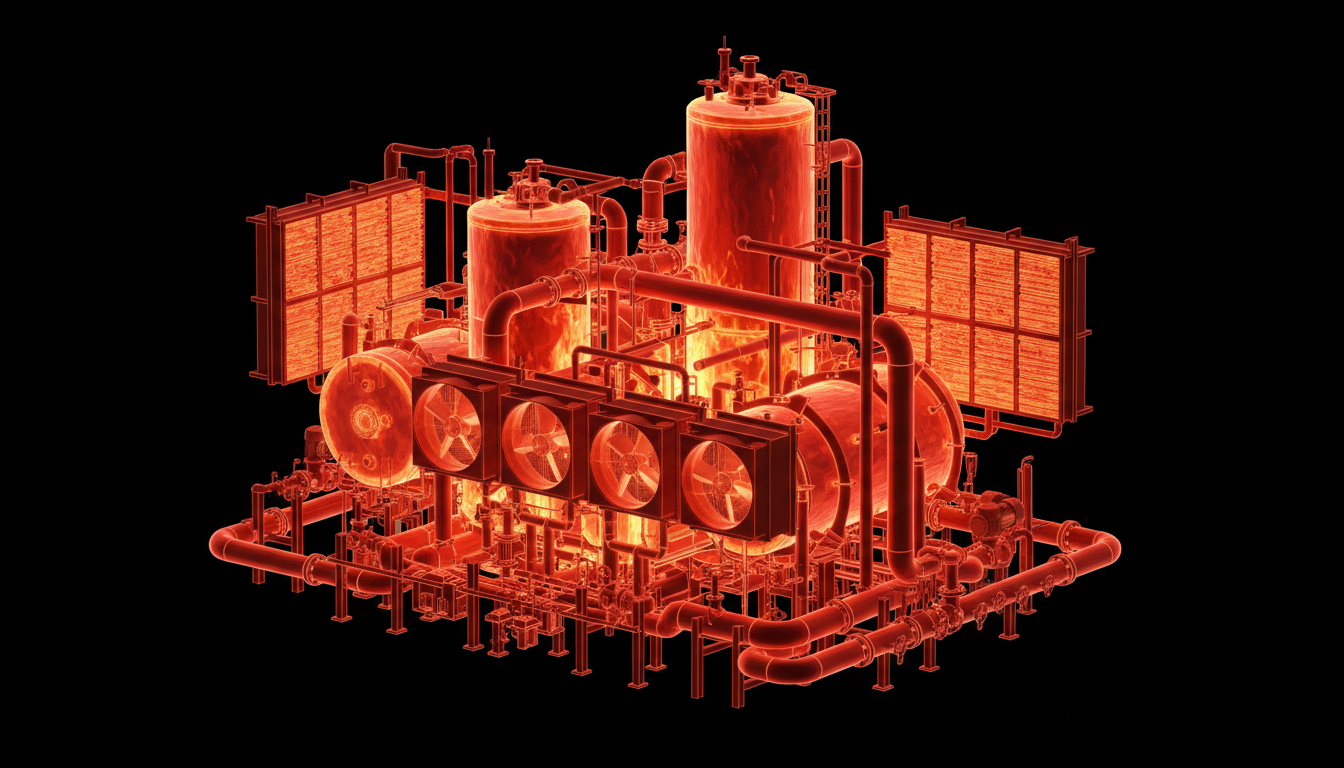
The concept is to organize what already exists into a simpler decision-support flow for mechanical systems.
Asset Information
Equipment type, age, location, specifications, and criticality context.
Maintenance Information
Work orders, inspections, failures, service history, and parts used.
Operational Information
Runtime, alarms, temperature, pressure, airflow, and related system behaviour.
Financial Information
Repair costs, maintenance spend, vendor input, and replacement estimates.
Comfort / User Information
Complaints, hot or cold zones, odour, humidity, and weak airflow reports.
Existing Systems
CMMS, BAS/BMS exports, spreadsheets, and any existing internal records.
What Latent helps surface.
Asset Condition
What has happened recently and whether an asset may be degrading.
Recurring Issues
Which complaints, service calls, or failures keep appearing.
Decision Signals
Patterns in cost, comfort, performance, downtime, or missing information.
Criticality
Which assets matter most based on safety, operations, and downtime risk.
Suggested Review Direction
What should be monitored, inspected, maintained, or reviewed next.
Field Validation
Technician and field input help confirm what the information is suggesting.
Prioritizing ventilation issues.
| Area | Issue | Consequence | Criticality | Action | Priority |
|---|---|---|---|---|---|
| X-Ray Room | Ventilation / air distribution | May affect room usability, staff/patient conditions, and imaging workflow | High | Preventive + condition-based review | 1 |
| Reception | Ventilation / comfort | Impacts waiting-room experience and front-desk working conditions | Medium | Planned corrective maintenance | 2 |
| Washroom | Exhaust ventilation | Localized odour/exhaust issue; lower-cost and isolated | Low-Med | Routine inspection or reactive maintenance | 3 |
A clearer future for the systems people rely on every day.
We believe the teams behind real buildings should be able to move with more confidence, less guesswork, and a clearer sense of what comes next.
 Latent
If this feels relevant, let’s talk.
Whether you're exploring the problem, thinking about a pilot, or simply open to sharing perspective, we'd be glad to hear from you.
Early Feedback
Share what feels true, what feels missing, or what would matter most in practice.
Possible Pilot Fit
Explore whether a focused starting point could make sense for your team.
Industry Perspective
Open to conversations around building systems, maintenance decisions, and what better support could look like.
Get In Touch
Reach out directly — happy to have a conversation.